

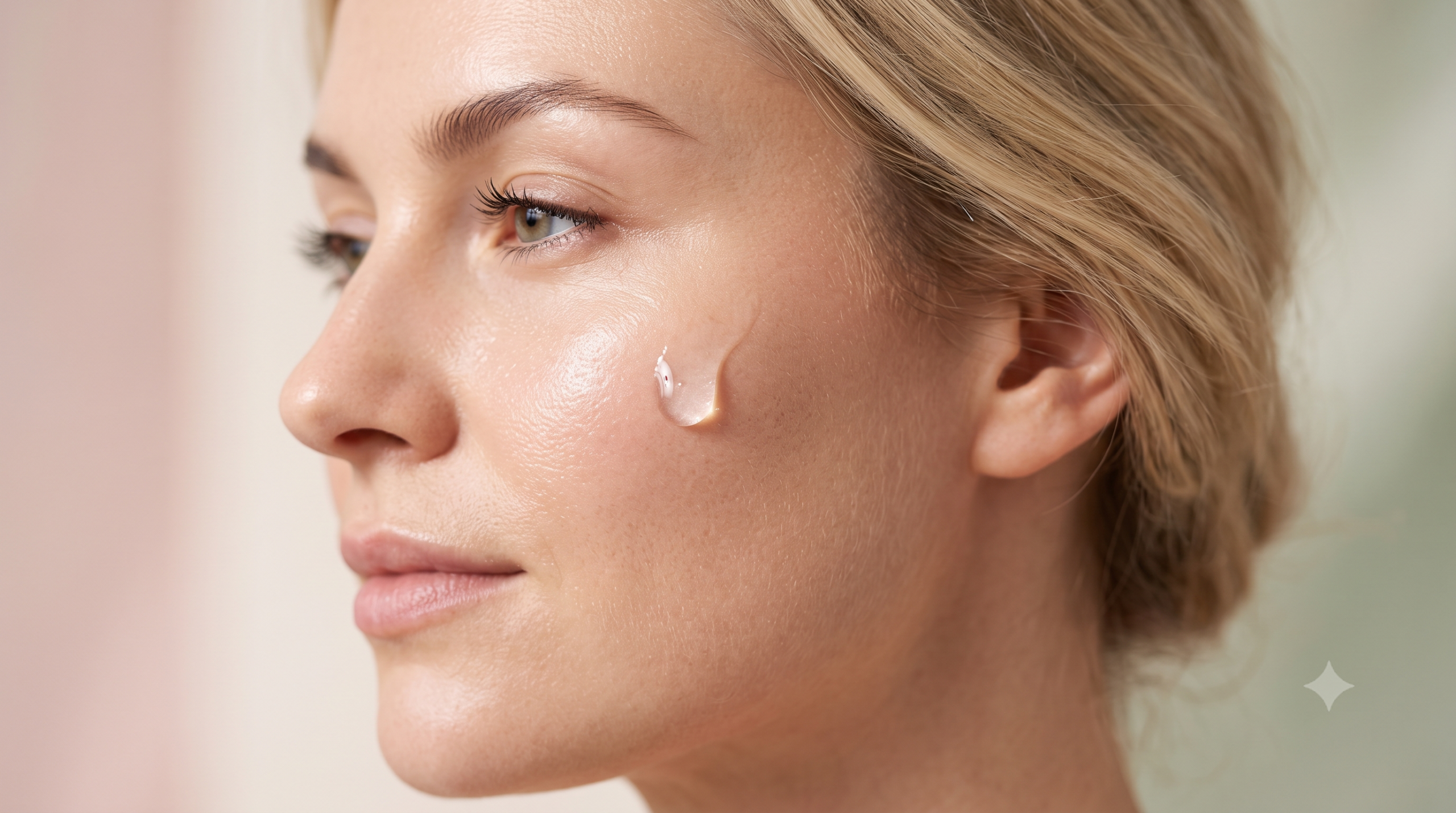
What Happens to Your Skin Barrier in Summer? Signs It’s Damaged and How to Repair It
Summer often means more time outdoors, more sun exposure, and unfortunately, more skin barrier stress.
This is the time of year when many people begin noticing:
- Increased dryness or tightness
- Redness or sensitivity
- Breakouts or congestion
- Dehydrated yet oily skin
- Flaking or rough texture
- Stinging or irritation from products
One of the most common underlying causes of these concerns is a compromised skin barrier.
- The skin barrier is your body’s protective outer layer. It is responsible for keeping moisture in and environmental irritants out. When it becomes disrupted, the skin can quickly become unbalanced, reactive, and difficult to manage.
During the summer months, a combination of UV exposure, heat, sweat, chlorine, and over-cleansing can all contribute to barrier damage.
Understanding how and why this happens is the first step in restoring healthy, resilient skin.
What Happens to the Skin Barrier?
The skin barrier (also known as the stratum corneum) is made up of skin cells and lipids that work together to protect and maintain hydration.
When it is functioning properly, it helps:
- Retain moisture
- Defend against bacteria and irritants
- Maintain a smooth, even texture
- Support overall skin health
When it becomes damaged, the skin is no longer able to properly regulate hydration or defend itself, leading to visible and physical changes.
Why Summer Affects the Skin Barrier

Even though summer is often associated with “glowing skin,” it is also one of the most common times for barrier disruption.
Summer environmental factors include:
- UV exposure that breaks down skin lipids and weakens barrier function
- Heat and sweat that disrupt the skin’s natural balance
- Chlorine and salt water that strip natural oils
- Increased cleansing that removes essential protective oils
- Air conditioning that contributes to dehydration
Over time, these factors can gradually weaken the skin barrier and make the skin more reactive and less resilient.
Many people do not realize their skin is damaged until symptoms begin to appear.
Signs Your Skin Barrier Is Damaged
A compromised skin barrier often presents as a combination of symptoms rather than a single issue.
Common signs include:
- Persistent dryness or tightness, even with moisturizer
- Increased sensitivity or stinging when applying products
- Redness or inflammation
- Breakouts that feel unusual or out of character
- Flaky patches or uneven texture
- Skin that feels oily but still dehydrated
When the barrier is disrupted, the skin often becomes “unbalanced”—showing signs of both oiliness and dryness at the same time.
How to Repair the Skin Barrier
The skin barrier is designed to heal and restore itself, but it needs the right support to do so effectively.
A simple, consistent approach is most effective.
Simplify Your Skincare Routine

When the barrier is compromised, less is more.
Focus on:
- Gentle cleanser
- Hydrating moisturizer
- Daily SPF
Temporarily pause active ingredients such as retinol, exfoliating acids, and strong vitamin C until the skin has stabilized.
Focus on Barrier-Supporting Ingredients
Look for ingredients that help rebuild and strengthen the skin’s protective layer:
- Ceramides
- Fatty acids
- Cholesterol
- Niacinamide
- Panthenol (Vitamin B5)
- Squalane
These ingredients help restore the “lipid matrix” that keeps the barrier strong and resilient.
Prioritize Hydration and Moisture Retention
Hydration supports the repair process, but moisture retention is what truly helps the barrier recover.
This can include:
· Hydrating serums with hyaluronic acid or glycerin
· Applying moisturizer to damp skin
· Avoiding harsh or stripping products
The goal is to support the skin’s ability to hold onto water, not just add it.
Protect the Skin Daily With SPF

Sun exposure is one of the most significant contributors to barrier damage.
Daily SPF helps:
- Prevent further damage
- Reduce inflammation
- Support the healing process
- Protect long-term skin health
Even a weakened barrier still needs consistent sun protection.
Use a Recovery-Focused Treatment
When the skin barrier is stressed, restorative products can play an important role in the healing process.
A product like Recovery Balm can help:
- Soothe irritation and redness
- Replenish essential lipids
- Support overnight barrier repair
- Reduce dryness and discomfort
- Restore skin comfort and balance
Think of it as support for the skin while it rebuilds its natural protective function.
How Long Does It Take to Repair the Skin Barrier?
Healing time depends on the level of damage and consistency of care.
In many cases:
- Mild disruption may improve within a few days
- Moderate barrier damage may take 1–2 weeks
- More significant disruption may take 2–4 weeks or longer
Consistency is more important than complexity during the recovery process.
Why Skin Barrier Health Still Matters Long-Term
Even after the skin has recovered, barrier health remains essential for maintaining results and preventing future irritation.
A strong skin barrier helps:
· Reduce sensitivity over time
· Improve overall skin texture
· Support better product tolerance
· Prevent recurring dryness or breakouts
Daily skincare and sun protection play a key role in keeping the barrier stable long-term.
What to Expect From Barrier Recovery

Skin barrier repair is not instant, but it is highly responsive when properly supported.
As the barrier improves, many people notice:
- Reduced sensitivity
- More even texture
- Improved hydration balance
- Less redness and irritation
- Overall calmer, healthier-looking skin
Progress is often gradual, but consistent improvement is a sign the barrier is rebuilding effectively.
A healthy skin barrier is the foundation of healthy skin.
✔ Protects against environmental stressors
✔ Maintains hydration balance
✔ Reduces sensitivity and irritation
✔ Supports long-term skin health
✔ Improves overall skin appearance and resilience
Healthy skin is not about overcorrecting or using more products.
It’s about protecting the barrier, supporting recovery, and staying consistent with the basics.
If your skin has been feeling reactive or unbalanced this summer, a simplified routine and barrier-focused approach along with restorative products like Recovery Balm can help support a full reset.