


What to Expect from a Chemical Peel (And Why Winter Is Ideal)
If you’ve ever looked at your skin in winter and felt like it looked dull, uneven, or just not as healthy as it should, you’re not imagining it.
Between cold temperatures, indoor heat, and low humidity, winter can leave skin feeling dry, congested, and lacklustre. But here’s the upside: winter is also one of the best times of year to reset and renew your skin.
At Ageless Living Cold Lake, we see it every winter. Patients want smoother texture, brighter tone, and healthier-looking skin, but they’re unsure what a chemical peel actually involves or whether it means significant downtime.
The truth is, modern chemical peels are far more controlled and customizable than most people expect. And when done in winter, they deliver safer healing, better results, and long-term skin improvement.
This guide walks you through exactly what to expect from a chemical peel, step by step, and why winter gives your skin a real advantage.
What Is a Chemical Peel, Really?
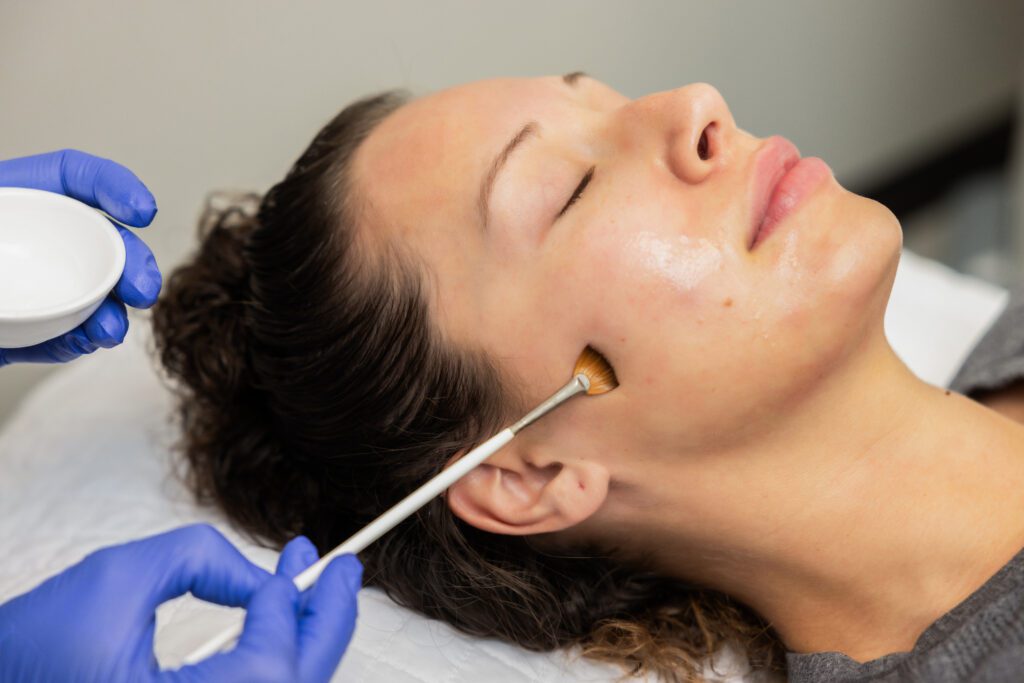
A chemical peel is a professional treatment designed to exfoliate the outer layers of the skin in a controlled way.
By removing built-up dead skin cells, the skin is encouraged to regenerate, revealing a smoother, brighter, healthier surface.
But chemical peels aren’t just about exfoliation.
They work at a deeper level to improve:
- Skin tone and clarity
- Texture and smoothness
- Fine lines
- Acne and congestion
- Overall skin quality
The goal isn’t aggressive peeling or dramatic downtime. It’s controlled renewal that supports healthier skin over time.
Why Winter Is the Ideal Time for a Chemical Peel

Before diving into the treatment process, it’s important to understand why winter is considered prime peel season.
The biggest reason is reduced UV exposure.
Lower sun exposure means:
- Safer healing
- Lower risk of pigmentation
- Calmer post-treatment inflammation
- More predictable results
When skin isn’t constantly exposed to UV rays, it can focus on repairing and regenerating. Add in cooler temperatures, less sweating, and more time indoors, and winter becomes the perfect environment for skin renewal.
Think of winter as preparation season, setting your skin up now so it looks its best by spring.
Step 1: The Consultation

Every chemical peel begins with a consultation, and this step is essential.
Your provider will assess:
- Your skin type and sensitivity
- Current skincare routine
- Skin concerns and goals
- Past treatments and medical history
Not all peels are the same, and not all skin needs the same level of exfoliation. Your treatment is selected based on what your skin can safely tolerate while still delivering visible improvement.
This is what keeps results effective, balanced, and safe.
Step 2: The Treatment Itself

On treatment day, the skin is cleansed and prepped before the peel solution is applied.
Most patients experience:
- Mild tingling or warmth
- A tightening sensation
- Minimal discomfort
The treatment itself is relatively quick, and sensations are temporary. Many patients are surprised by how manageable the experience feels.
Step 3: What Happens After the Peel?
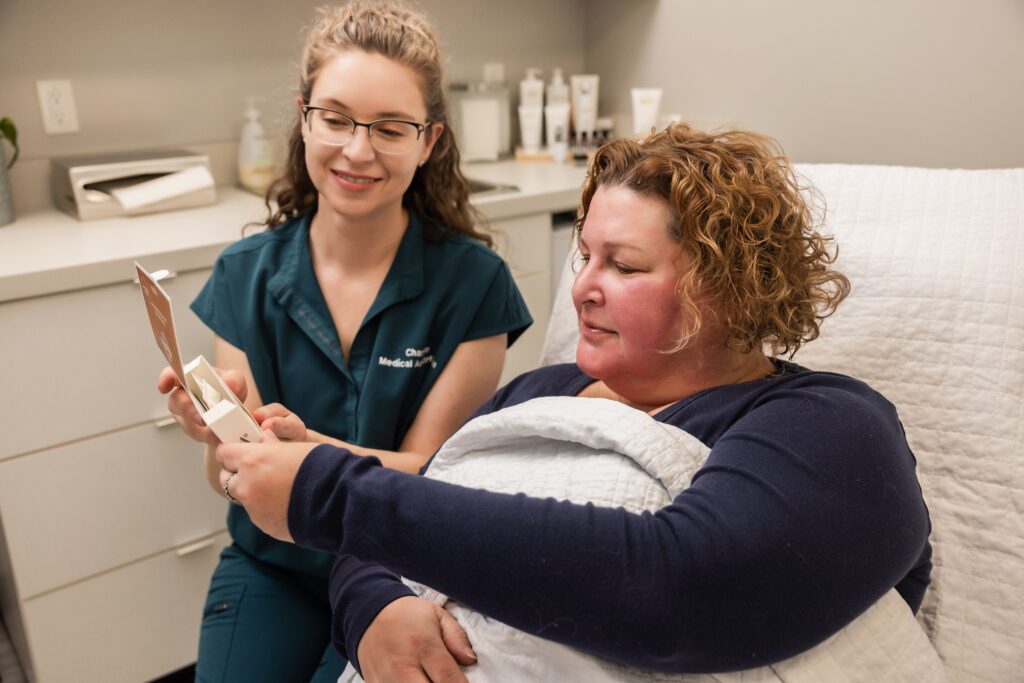
Downtime depends on the type of peel used and your individual skin response, but for many patients, recovery is very mild.
Common post-treatment experiences may include:
- Light redness
- Dryness or tightness
- Mild flaking over several days
This is part of the skin’s natural renewal process. Most patients can return to daily activities right away, with only short-term adjustments to their skincare routine.
Your provider will guide you on how to support healing, protect your skin, and avoid irritation during this phase.
Step 4: Results and Skin Renewal
Chemical peel results develop gradually.
As the skin sheds and regenerates, you’ll begin to notice:
- Brighter, more even tone
- Smoother texture
- Improved clarity
- A healthier overall glow
For best results, chemical peels are often performed in a series. Winter allows enough time for treatments to build on one another without interruption, leading to more noticeable improvement by spring.
Common Concerns We Hear
“Will my skin peel a lot?”
Not necessarily. Many modern peels cause light flaking rather than visible peeling.
“Is it painful?”
Most patients describe the sensation as mild and temporary.
Why Starting Now Makes a Difference
When chemical peels are started in winter, your skin has:
- Time to heal properly
- Time to build results gradually
- Protection from strong UV exposure
By the time spring arrives, your skin looks smoother, clearer, and more even, without scrambling for last-minute fixes.
Is a Chemical Peel Right for You?
A consultation is the best way to determine whether a chemical peel fits your skin goals and lifestyle. Our team will help create a plan that supports healthy skin now and long-term.
Winter is where skin transformation begins, and chemical peels are often the first step.
Ready to start your skin renewal journey?