

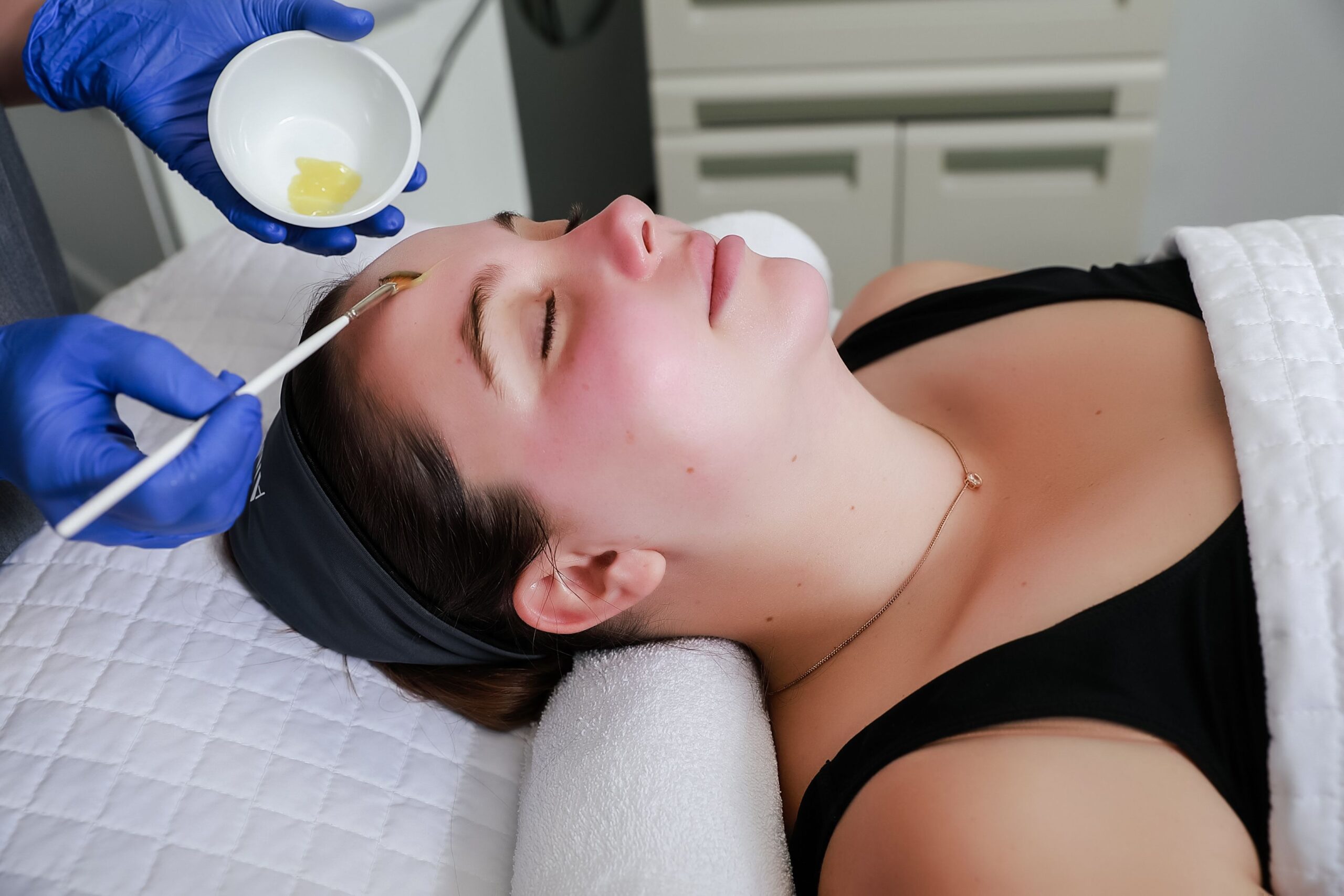
Chemical Peels vs. Microneedling: Which Treatment Is Right for Your Skin?
If you’ve started researching ways to improve your skin, chances are you’ve come across two treatments over and over again: chemical peels and microneedling.
Both are designed to improve skin tone, texture, and overall skin health. Both can help reduce the appearance of acne scars, pigmentation, fine lines, and signs of aging.
So how do you know which one is right for you?
The answer depends on your skin concerns, your goals, your lifestyle, and what your skin needs, not simply what’s trending on social media.
In this guide, we’ll explain how each treatment works, what concerns they address, how they’re different, and why late summer and fall are often the best times to begin your skin rejuvenation journey.
What Is a Chemical Peel?
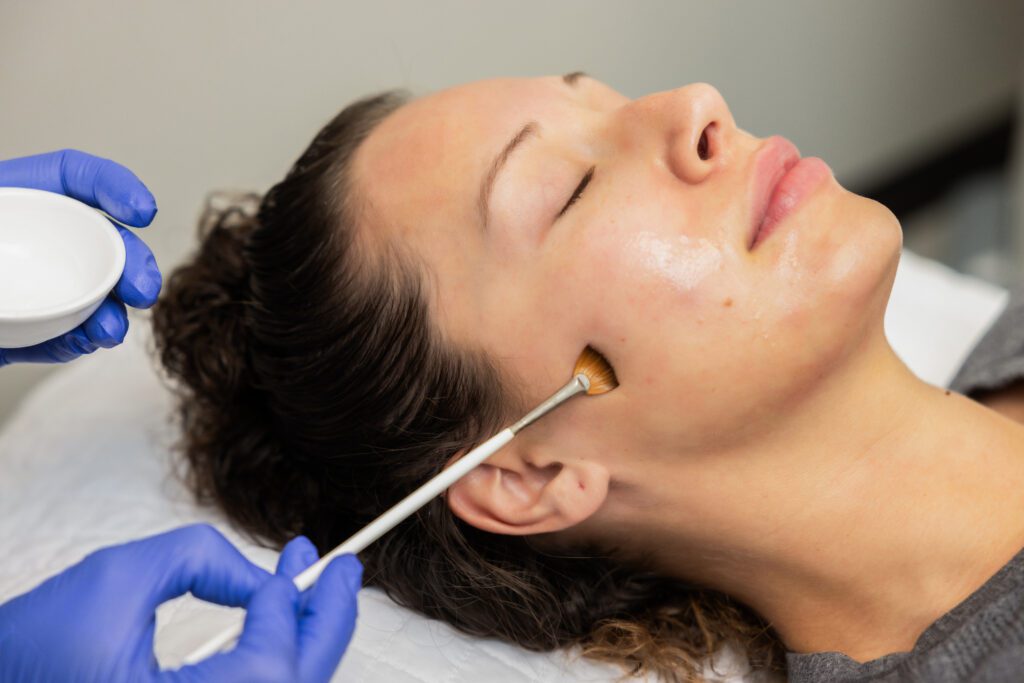
Despite the name, chemical peels are much gentler than many people imagine.
A chemical peel uses carefully selected medical-grade acids to exfoliate the outer layers of the skin in a controlled way. By encouraging old, damaged skin cells to shed, your body naturally produces healthier new skin underneath.
The result is smoother, brighter, healthier-looking skin.
Modern chemical peels are highly customizable, meaning your provider can select the appropriate strength and ingredients based on your skin type, concerns, and desired outcome.
Some peels involve very little visible peeling, while others create more noticeable exfoliation depending on the treatment selected.
The goal isn’t simply to make your skin peel.
The goal is to stimulate healthy skin renewal.
What Can Chemical Peels Improve?
Chemical peels are an excellent option for patients looking to address concerns that affect the surface of the skin.
They may help improve:
- Uneven skin tone
- Sun damage
- Hyperpigmentation
- Melasma (when appropriate)
- Acne and congestion
- Acne marks
- Fine lines
- Rough texture
- Dull-looking skin
- Enlarged pores
Because the treatment focuses on resurfacing the skin, many patients notice that their complexion appears brighter and smoother after a series of treatments.
What Is Microneedling?
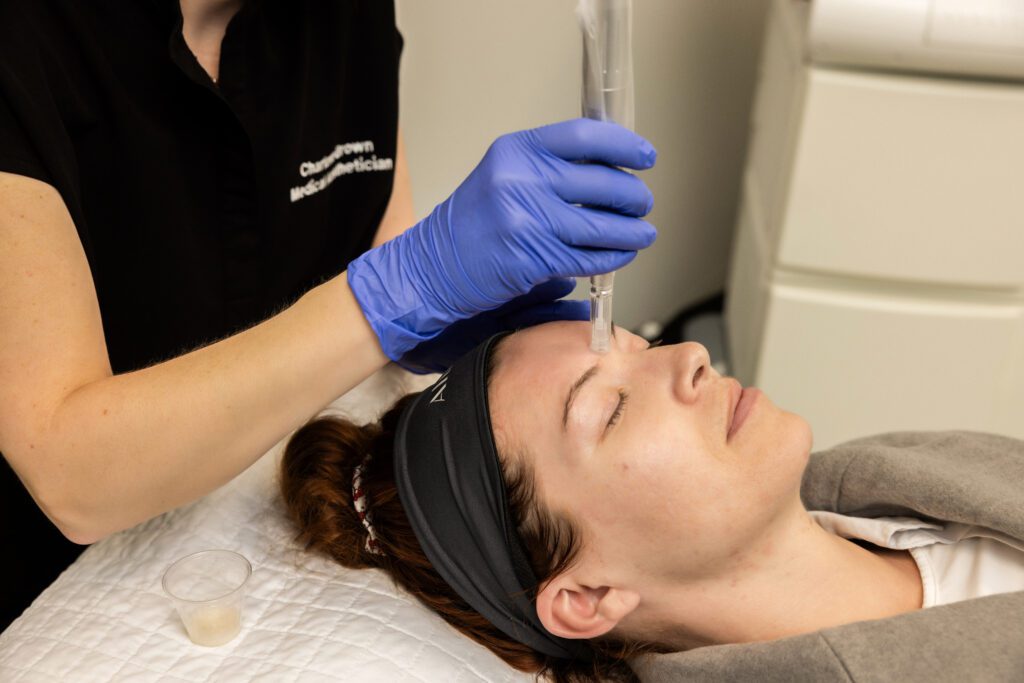
Microneedling works very differently.
Instead of exfoliating the surface of the skin, microneedling creates thousands of microscopic channels using very fine, sterile needles.
While that may sound intimidating, these tiny channels trigger your body’s natural healing response.
As your skin repairs itself, it begins producing more collagen and elastin. These are the proteins responsible for firm, healthy, youthful-looking skin.
Rather than removing layers of skin, microneedling encourages your skin to rebuild itself from within.
This makes it one of the most effective collagen-stimulating treatments available.
What Can Microneedling Improve?
Microneedling is particularly effective for concerns that require rebuilding and strengthening the skin over time.
It can help improve:
- Acne scars
- Surgical scars
- Fine lines
- Wrinkles
- Skin laxity
- Enlarged pores
- Stretch marks
- Uneven texture
- Overall skin quality
Many patients also notice improved skin firmness and smoother texture several weeks after treatment as collagen production continues.
Because collagen develops gradually, results continue improving long after your appointment.
Chemical Peel vs. Microneedling: What’s the Biggest Difference?
Although both treatments improve skin quality, they work in completely different ways.
Chemical peels primarily improve the surface of the skin by encouraging controlled exfoliation and skin renewal.
Microneedling improves the deeper layers of the skin by stimulating collagen production and encouraging natural healing.
Think of it this way:
A chemical peel refreshes the skin you currently have.
Microneedling helps your skin build healthier skin from within.
Neither treatment is “better.”
They’re simply designed to solve different problems.
Which Treatment Is Better for Pigmentation?
If pigmentation is your primary concern, chemical peels are often an excellent starting point.
Sun spots, uneven tone, and post-inflammatory pigmentation frequently respond well to professional peels combined with medical-grade skincare.
However, pigmentation is rarely one-size-fits-all.
Some discoloration is caused by sun damage.
Other pigmentation may be hormonal, inflammatory, or vascular.
This is why an in-person consultation is so important before choosing treatment.
A personalized assessment allows your provider to determine what’s actually causing the pigmentation and which approach is most appropriate.
Which Treatment Is Better for Acne Scars?
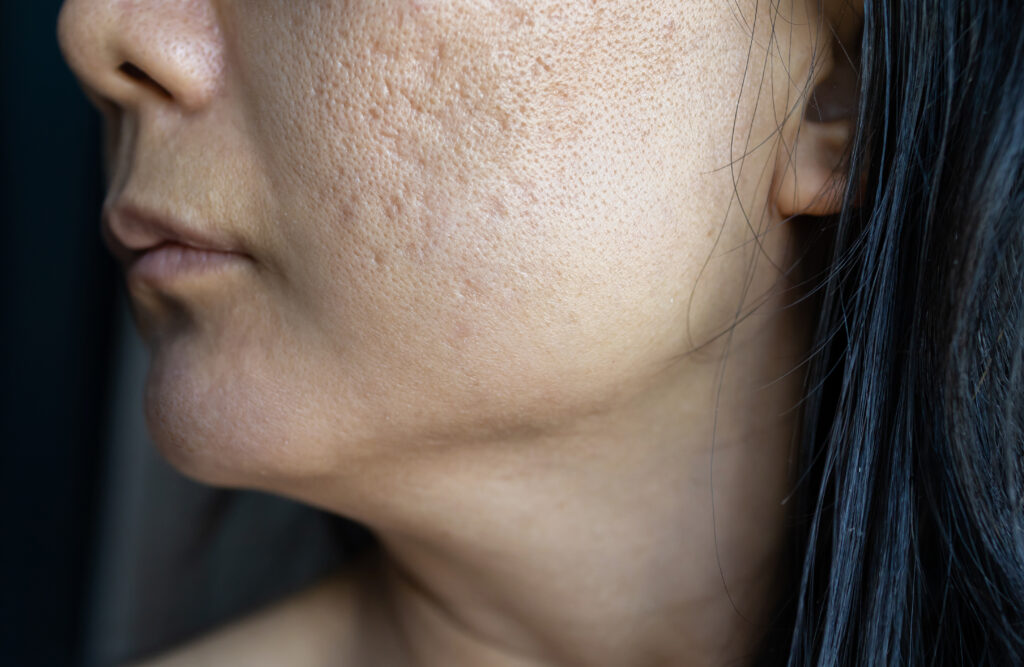
When acne scars affect the deeper structure of the skin, microneedling is often the preferred option.
By stimulating collagen beneath the surface, microneedling gradually helps soften depressed acne scars and improve overall skin texture.
Results don’t happen overnight.
Instead, the skin becomes stronger, smoother, and healthier over a series of treatments.
Many patients notice continued improvements for months as collagen continues developing.
Which Treatment Is Better for Fine Lines and Aging?
The answer depends on the type of aging you’re hoping to address.
If your skin feels dull and rough, a chemical peel may provide brighter, smoother-looking skin relatively quickly.
If your goal is firmer skin with improved elasticity, microneedling may be recommended because of its ability to stimulate collagen production.
In many cases, providers recommend combining different treatments over time rather than relying on just one.
Healthy aging isn’t usually achieved with a single appointment.
It’s created through a personalized treatment plan that evolves with your skin.
Can You Have Both Treatments?
Absolutely.
In fact, many patients benefit from both treatments at different stages of their skincare journey.
Because they work through different mechanisms, chemical peels and microneedling often complement one another beautifully.
Your provider may recommend beginning with one treatment before introducing another, depending on your skin concerns, treatment goals, and the health of your skin barrier.
The goal isn’t to perform more treatments.
It’s to choose the right treatments at the right time.
Recovery and Downtime: What Should You Expect?

One of the most common questions we hear is, “How much downtime will I have?”
The answer depends on the treatment you choose, your skin type, and how aggressively the treatment is performed.
Chemical Peels
Recovery after a chemical peel varies depending on the strength of the peel.
You may experience:
- Mild redness
- Dryness
- Tightness
- Light flaking or peeling
- Increased sensitivity for a few days
It’s important to remember that visible peeling isn’t always the goal. Some medical-grade peels work beneath the surface with very little peeling while still delivering excellent results.
During recovery, your provider will recommend avoiding excessive sun exposure, using gentle skincare products, and wearing a broad-spectrum SPF every day.
Microneedling
Microneedling recovery is generally different from a chemical peel.
Immediately after treatment, your skin may appear:
- Pink or red (similar to a mild sunburn)
- Warm to the touch
- Slightly swollen
- Tight or dry
These effects usually improve within a day or two for most patients.
As your skin heals, collagen production continues beneath the surface for weeks after your appointment, meaning your skin continues improving long after any redness has disappeared.
Following your provider’s post-treatment instructions, including avoiding active skincare ingredients, protecting your skin from the sun, and keeping your skin hydrated is essential for achieving the best possible results.
Why Late Summer and Fall Are the Ideal Time for These Treatments
Although both treatments can be performed throughout much of the year with proper precautions, late summer and fall are often considered the ideal seasons to begin corrective skin treatments.
Here’s why.
Less UV Exposure
Chemical peels and microneedling both leave your skin more vulnerable to UV damage while it heals.
As the days become shorter and people naturally spend less time outdoors, it becomes easier to protect your skin and maintain your results.
Time to Treat Summer Skin Concerns
After months of sun exposure, many patients notice concerns such as:
- Uneven pigmentation
- Dullness
- Rough texture
- Dehydration
- Fine lines that seem more noticeable
Beginning treatment in late summer allows you to address these concerns before they become more difficult to treat.
Results Continue Improving
Neither treatment provides overnight results.
Chemical peels often require a series of treatments for optimal correction, while microneedling relies on gradual collagen production that develops over several weeks and months.
Starting in late summer or early fall allows your skin to improve naturally throughout the season, with results continuing into the holidays and beyond.
Can Chemical Peels and Microneedling Be Combined?
Yes, but not at the same appointment unless specifically recommended by your provider.
Because these treatments work differently, many patients benefit from incorporating both into their long-term treatment plan.
For example, your provider may recommend:
- A series of chemical peels to improve pigmentation and brighten the complexion.
- Microneedling later in the season to stimulate collagen and improve skin texture.
- Medical-grade skincare throughout the process to maintain and enhance your results.
Every treatment plan is personalized.
Rather than recommending the same treatment for every patient, we focus on understanding your goals and choosing the treatments that will provide the safest and most effective outcome for your skin.
How Do You Decide Which Treatment Is Right for You?
The best treatment isn’t determined by age.
It isn’t determined by what’s trending online.
And it certainly isn’t determined by what worked for someone else.
The right treatment is determined by:
- Your skin type
- Your current skin health
- Your medical history
- Your lifestyle
- Your treatment goals
- Your provider’s professional assessment
That’s why consultations are such an important part of the process.
During your consultation, we’ll assess your skin, discuss your concerns, answer your questions, and recommend a treatment plan that’s tailored specifically to you.
Sometimes that plan includes chemical peels.
Sometimes it includes microneedling.
Sometimes it’s a combination of both.
And sometimes we recommend beginning with medical-grade skincare before moving into professional treatments.
Every recommendation is made with one goal in mind: helping you achieve healthy, natural-looking results safely.
Healthy Skin Is Built Over Time

There isn’t one treatment that’s right for everyone.
Chemical peels and microneedling are both excellent options, but they work in different ways and address different concerns.
Whether you’re hoping to improve pigmentation, soften acne scars, brighten your complexion, or support healthy collagen production, choosing the right treatment begins with understanding your skin, not simply choosing the most popular procedure.
As summer comes to an end, now is the perfect time to begin planning your fall skincare journey. Starting treatments early gives your skin time to heal, rebuild, and gradually reveal healthier, brighter, more confident-looking results throughout the season.
If you’re unsure which treatment is right for you, our team is here to help.
Book a consultation with Ageless Living, and together we’ll create a personalized treatment plan designed around your skin, your goals, and your long-term skin health.