

How to Treat Adult Acne: A Complete Guide to Acne Treatments for Adults
Getting acne as an adult can be frustrating, especially when you thought your teenage years were behind you.
You may have gone years without significant breakouts, only to suddenly notice persistent pimples, clogged pores, inflammation, or breakouts around the chin and jawline. Or perhaps you’ve dealt with acne for years and are still searching for a treatment approach that actually works for your skin.
The good news is that adult acne is common, treatable, and doesn’t have to be something you simply learn to live with.
The key is understanding why your acne is happening, what type of acne you’re experiencing, and which combination of professional treatments and skincare is appropriate for your skin.
Why Do Adults Get Acne?
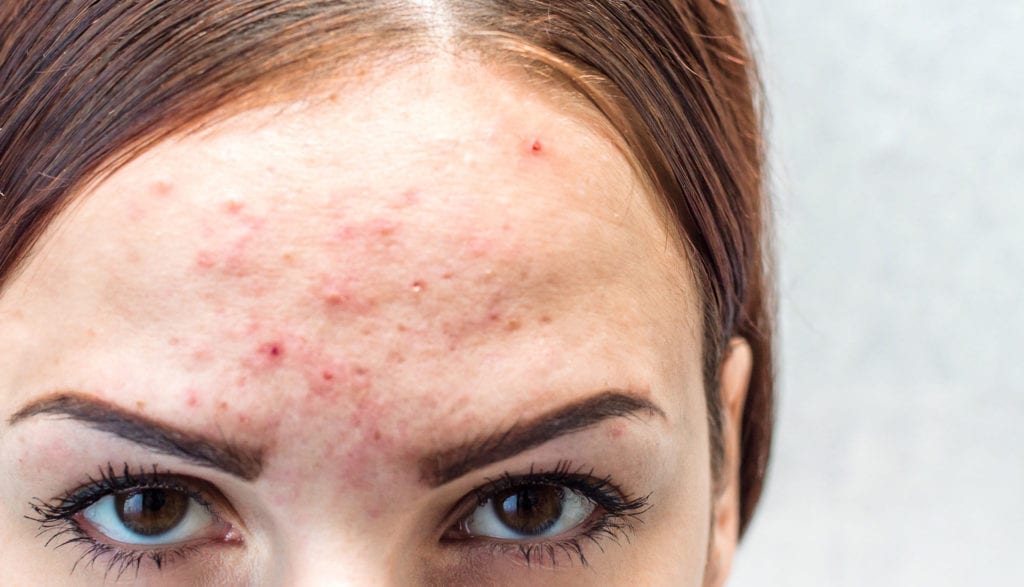
Acne develops when pores become clogged with oil, dead skin cells, and other debris, creating an environment where inflammation and acne-causing bacteria can contribute to breakouts.
But adult acne isn’t always caused by one thing.
Several factors can contribute, including:
- Hormonal fluctuations
- Increased oil production
- Stress
- Certain skincare or cosmetic products
- Changes in medications
- Genetics
- Inflammation
- Inconsistent or inappropriate skincare
This is why the same acne treatment doesn’t work for everyone.
Your friend’s favourite acne product may be completely wrong for your skin, and using more products doesn’t necessarily mean you’ll see better results.
Hormonal Acne vs. Inflammatory Acne

One of the first steps in managing adult acne is understanding what you’re actually experiencing.
Hormonal Acne
Hormonal fluctuations can influence oil production and contribute to breakouts, particularly around the chin, jawline, and lower face.
Some people notice that their acne becomes more predictable around certain points in their menstrual cycle, while others experience changes related to hormonal shifts throughout adulthood.
Hormonal acne can be persistent and may require more than simply changing your cleanser.
Inflammatory Acne
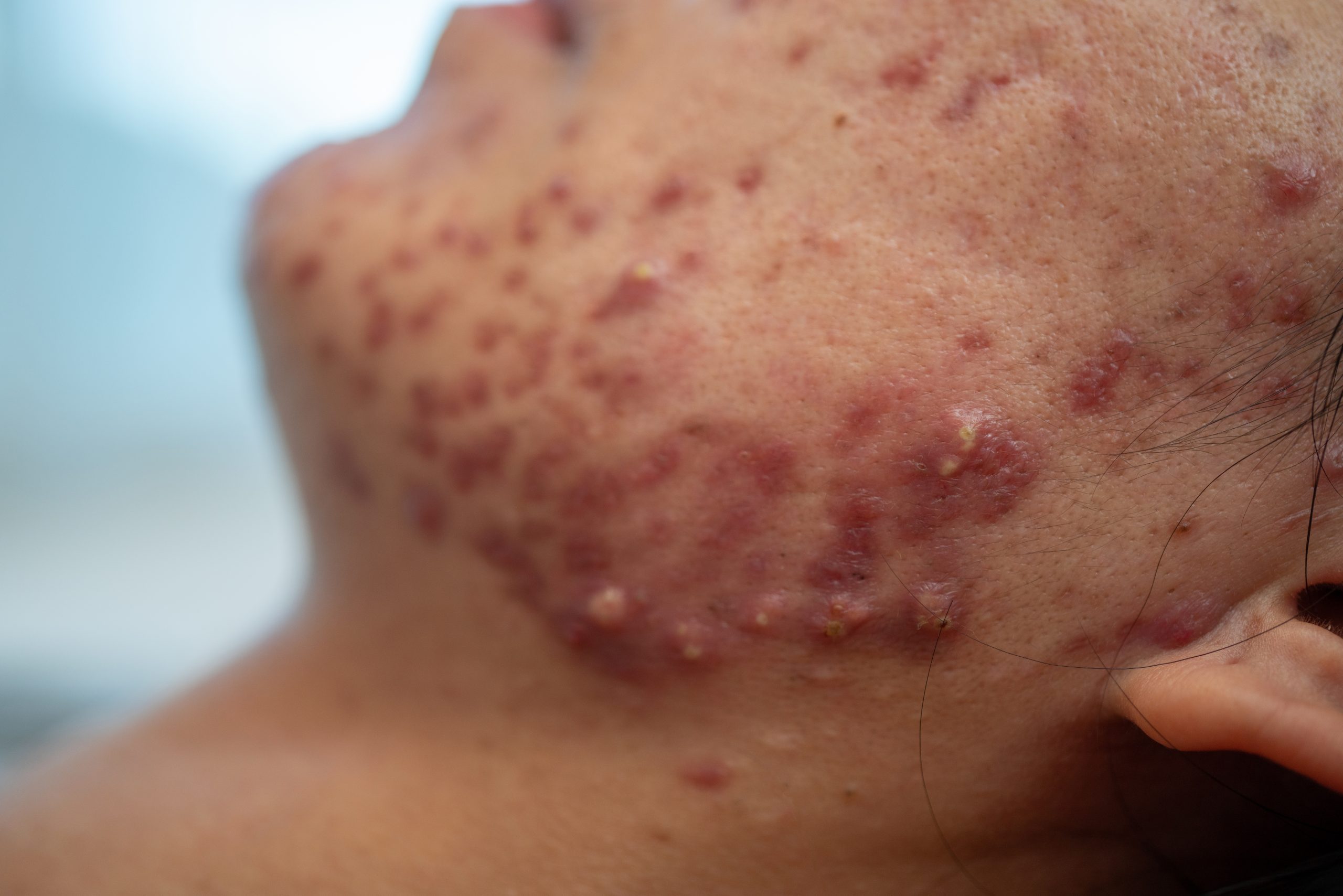
Inflammatory acne may appear as red, swollen, tender pimples or pustules.
Inflammation is an important part of the acne process, which means aggressively scrubbing or exfoliating the skin can sometimes make the situation worse.
This is one reason professional assessment can be helpful. Before treating acne, it’s important to understand what is contributing to the breakouts and how your skin is responding.
When Isn’t Skincare Enough?
A good skincare routine is an important part of acne management—but sometimes skincare alone isn’t enough.
If you’ve been consistently using appropriate products and still experience:
- Frequent breakouts
- Painful or inflamed acne
- Persistent congestion
- Acne that keeps returning
- Dark marks after breakouts
- Scarring or changes in skin texture
…it may be time to consider professional treatment.
The goal isn’t necessarily to use more products.
It’s to use the right combination of skincare and professional treatments for your specific concerns.
Medical-Grade Skincare for Adult Acne
Your at-home skincare routine can play an important role in managing acne and supporting the results of professional treatments.
Medical-grade skincare allows your provider to recommend products based on your skin type, concerns, treatment plan, and overall skin health.
An acne-focused routine may incorporate products designed to:
- Remove excess oil and impurities
- Support healthy exfoliation
- Reduce congestion
- Improve the appearance of breakouts
- Support the skin barrier
- Help prevent future flare-ups
But there’s an important distinction between treating acne and over-treating your skin.
Using multiple strong active ingredients, constantly switching products, or excessively exfoliating can irritate the skin barrier and potentially make your skin more reactive.
A simple, consistent routine is often a better starting point than a bathroom counter full of products.
Professional Acne Treatments at Ageless Living
For some patients, professional treatments can complement their home skincare routine and provide another level of support.
At Ageless Living, treatment recommendations are based on your individual skin and concerns.
Blu-U Blue Light Therapy

Blu-U is a non-invasive blue light treatment that can be used as part of an acne treatment plan.
Blue light is designed to target acne-causing bacteria, making it a useful option for certain types of acne.
Because everyone’s acne is different, Blu-U may be recommended on its own or incorporated into a broader treatment plan depending on your skin.
Chemical Peels
Chemical peels can be used to encourage controlled exfoliation and skin renewal.
For acne-prone skin, certain professional peels can help address concerns such as:
- Congestion
- Excess oil
- Uneven texture
- Post-acne marks
- Dull-looking skin
The type and strength of peel should be selected based on your skin’s current condition.
This is especially important if your skin is already irritated or your home routine contains active ingredients.
Microneedling

Microneedling is another treatment that may be considered when acne has left behind changes in skin texture or acne scarring.
Rather than simply treating an active breakout, microneedling focuses on stimulating the skin’s natural healing response and supporting collagen production.
This makes it particularly relevant when the concern has shifted from “How do I stop breaking out?” to “How do I improve what acne has left behind?”
What About Acne Scars and Dark Marks?
It’s important to distinguish between active acne, post-inflammatory pigmentation, and true acne scarring.
A dark or red mark left behind after a breakout doesn’t necessarily mean you have a permanent scar.
However, deeper acne can damage the skin and contribute to changes in texture or depressed scars.
This distinction matters because different concerns require different approaches.
For example, the treatment plan for active acne may focus on controlling breakouts, while a treatment plan for acne scarring may focus more heavily on collagen stimulation and skin resurfacing.
Trying to treat everything at once isn’t always the best strategy.
Sometimes the first step is getting the acne under control before moving on to scar correction.
Why Consistency Matters
One of the biggest challenges with adult acne is that people often expect immediate results.
You try a new product.
It doesn’t work within a week.
You move on to something else.
Then another product.
Then another treatment.
Eventually, your skin is exposed to so many different ingredients that it’s difficult to know what’s actually helping.
Healthy skin takes time.
An effective acne plan may involve:
Professional assessment → appropriate skincare → targeted treatments → consistency → reassessment
Your skin needs time to respond, and your treatment plan may need to evolve as your skin changes.
When Should You See a Professional About Adult Acne?

You don’t necessarily need to wait until your acne becomes severe before seeking help.
Consider speaking with a professional if your acne is:
- Persistent or recurring
- Painful or inflamed
- Leaving dark marks or scars
- Affecting your confidence
- Not responding to your current skincare routine
- Changing unexpectedly in adulthood
A professional assessment can help determine what you’re actually dealing with and which treatment options may be appropriate.
And if your acne appears suddenly, is unusually severe, or you suspect an underlying medical or hormonal cause, a medical assessment may also be appropriate.
Adult Acne Doesn’t Have to Be Your New Normal
Adult acne can be complicated because there isn’t one universal cause—and there isn’t one universal treatment.
The most effective approach is often a combination of understanding your skin, using appropriate medical-grade skincare, making thoughtful treatment choices, and staying consistent.
At Ageless Living, we can help assess your skin and determine whether options such as Blu-U, chemical peels, microneedling, and targeted skincare may be appropriate for your concerns.
You don’t need a complicated routine.
You need a plan that’s right for your skin.
Ready to take the guesswork out of your acne routine?
Book a consultation with the Ageless Living team to discuss your skin concerns and treatment options.