


Is Your Skin Dehydrated or Damaged? How to Tell After a Summer in the Sun
Summer is one of the best times of year to enjoy the outdoors.
Whether you’ve spent your days at the lake, on the golf course, travelling, gardening, or simply soaking up the sunshine, your skin has likely been exposed to more heat, UV rays, wind, chlorine, and air conditioning than usual.
By the end of the season, many people notice that their skin doesn’t quite look or feel the way it did in the spring.
Maybe it feels tight no matter how much moisturizer you apply. Maybe your complexion looks dull, uneven, or rough. You may have noticed new freckles, dark spots, redness, or fine lines that seem more noticeable than before.
So what’s actually happening?
Is your skin simply dehydrated?
Has your skin barrier become compromised?
Or are you seeing signs of long-term sun damage?
While these concerns often appear together, they’re not the same and understanding the difference is the first step toward choosing the right treatment.
Why Summer Takes a Toll on Your Skin
Your skin works hard throughout the summer months.
Every day it’s exposed to environmental factors that can affect its health, including:
- UV radiation
- Heat
- Sweat
- Wind
- Chlorinated pools
- Salt water
- Air conditioning
- Increased outdoor activities
- Frequent sunscreen reapplication
- Travel and changes in routine
Even if you’ve been diligent about wearing sunscreen, your skin still experiences more environmental stress during the summer than it does at other times of the year.
This is why late summer is often when people begin noticing changes in their skin.
The good news?
Many of these concerns can be improved with the right combination of skincare, professional treatments, and a personalized plan.
What Does Dehydrated Skin Look Like?
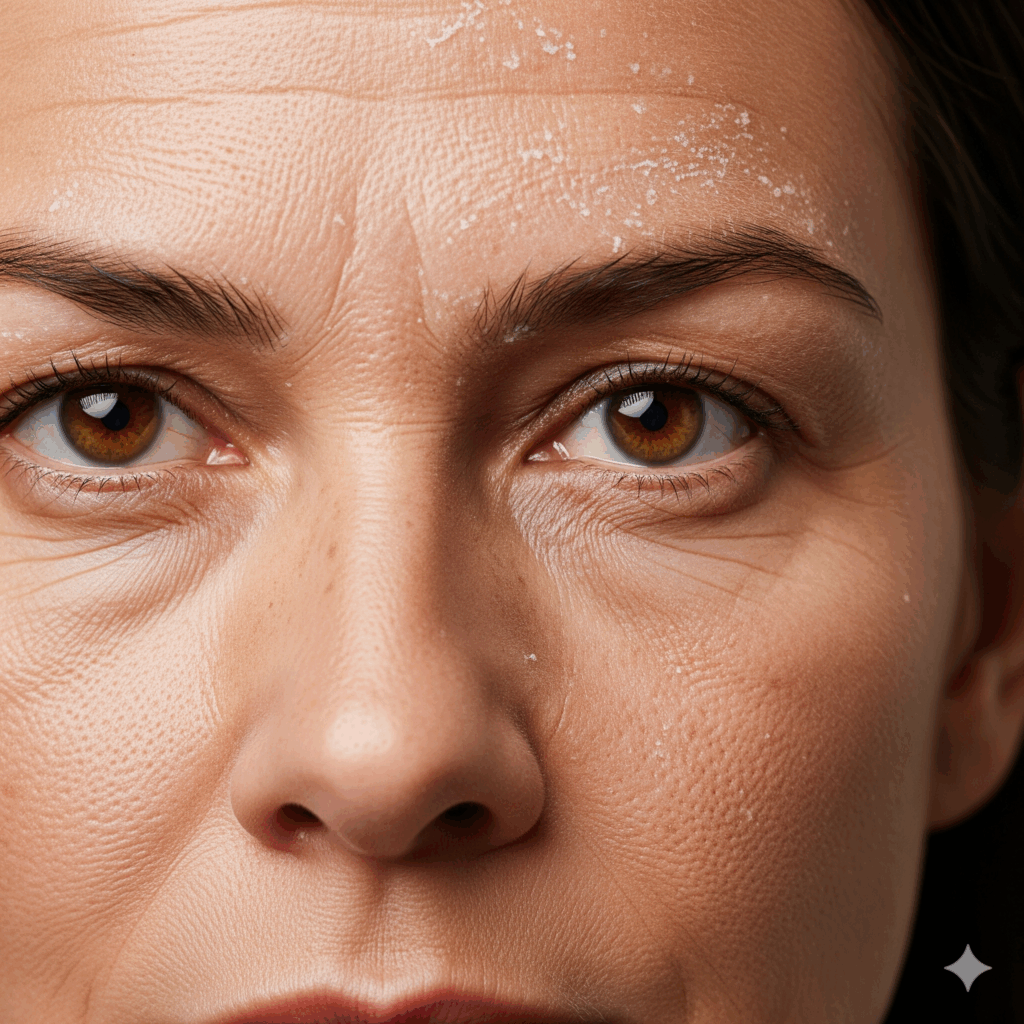
One of the biggest misconceptions in skincare is that dry skin and dehydrated skin are the same thing.
They’re actually very different.
Dry skin is a skin type.
It naturally produces less oil.
Dehydrated skin is a skin condition.
It simply means your skin lacks water.
Anyone can experience dehydrated skin, even people with oily or acne-prone skin.
Common signs include:
- Tightness after cleansing
- Skin that feels uncomfortable throughout the day
- Dull complexion
- Makeup that doesn’t apply smoothly
- Increased sensitivity
- Fine dehydration lines
- Skin that looks tired despite getting enough sleep
Because dehydration affects how your skin functions, it can also make other concerns appear worse than they actually are.
What Is a Compromised Skin Barrier?
Your skin barrier is your body’s natural protective shield.
It helps keep moisture in while protecting your skin from environmental irritants, bacteria, pollution, and allergens.
During the summer, that barrier can become weakened by repeated UV exposure, over-cleansing, excessive exfoliation, harsh products, or simply spending more time outdoors.
When this happens, you may notice:
- Persistent redness
- Increased sensitivity
- Burning or stinging when applying products
- Dry, flaky patches
- Irritation that seems to appear suddenly
- Products that once worked now causing discomfort
A compromised skin barrier doesn’t necessarily mean your skin is damaged forever.
It simply means your skin needs time and support to repair itself.
What Does Sun Damage Look Like?
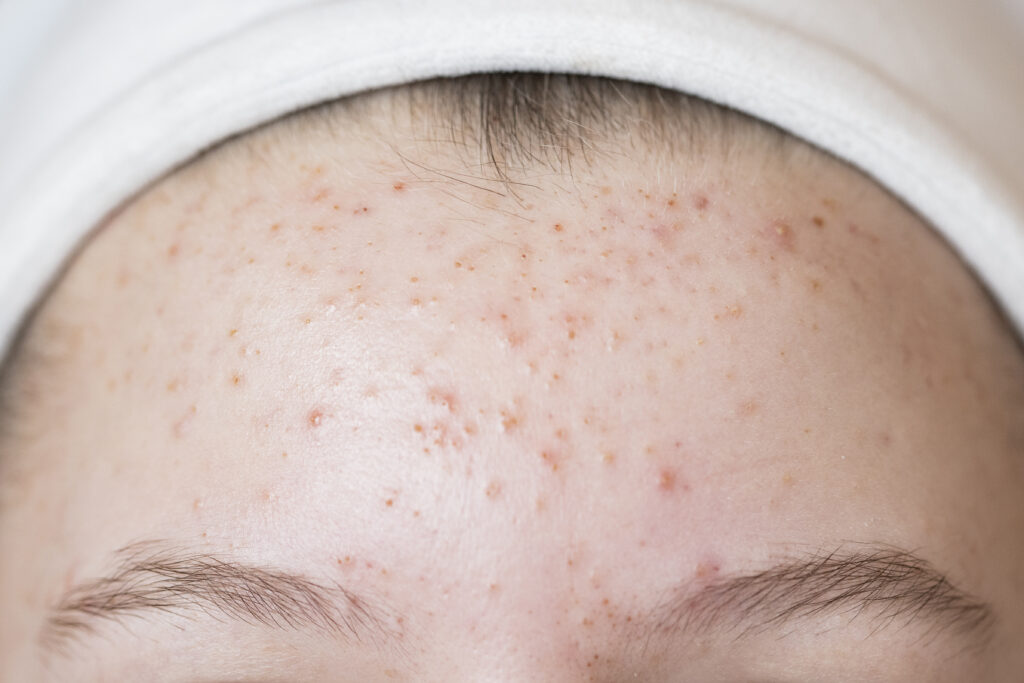
Unlike dehydration or barrier disruption, sun damage often develops gradually.
Sometimes it isn’t immediately noticeable.
Over time, repeated UV exposure can contribute to:
- Uneven pigmentation
- Sun spots
- Rough texture
- Fine lines
- Wrinkles
- Broken capillaries
- Loss of elasticity
- Premature aging
While sunscreen significantly reduces your risk, no one is completely immune to the effects of years of sun exposure.
This is why many patients choose the end of summer to begin corrective treatments.
How Can You Tell the Difference?
Because these concerns often overlap, it can be difficult to know exactly what’s affecting your skin.
Here’s a simple comparison:
Dehydrated Skin
- Feels tight
- Looks dull
- Fine dehydration lines
- Lacks water
- Often improves with hydration
Barrier Damage
- Sensitive
- Red
- Easily irritated
- Products sting
- Needs gentle repair
Sun Damage
- Pigmentation
- Uneven tone
- Texture changes
- Fine lines
- Often requires professional treatment
Many patients actually experience all three concerns at the same time.
That’s why personalized treatment plans are so important.
How to Help Your Skin Recover After Summer
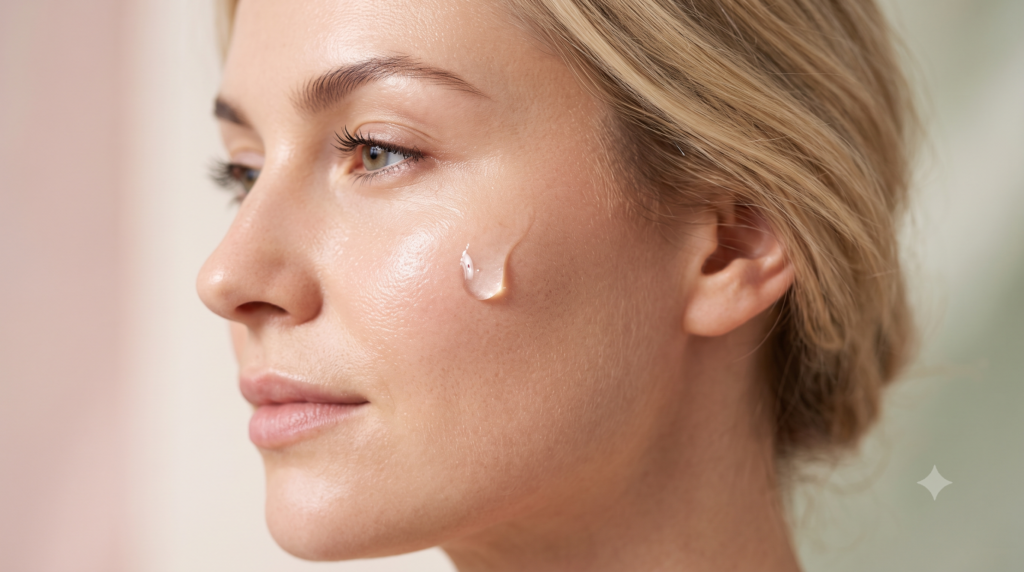
Fortunately, your skin is remarkably resilient when given the right support.
Recovery begins with the basics.
Prioritize Hydration
Hydration starts both inside and outside the body.
Drink plenty of water, but also use skincare that contains ingredients designed to attract and retain moisture.
Ingredients such as:
- Hyaluronic acid
- Glycerin
- Ceramides
- Peptides
can help improve hydration while supporting your skin barrier.
Medical-grade skincare often contains higher-quality formulations that penetrate more effectively than many over-the-counter alternatives.
Simplify Your Routine
Many people try to fix post-summer skin by adding more products.
In reality, less is often more.
A gentle cleanser, antioxidant serum, moisturizer, and daily SPF may be exactly what your skin needs while it recovers.
If your skin feels irritated, temporarily reducing the use of active ingredients such as retinol or strong exfoliants may also be recommended.
Your provider can help determine the best approach based on your skin.
Don’t Stop Wearing Sunscreen
One of the biggest skincare mistakes we see is patients becoming less consistent with sunscreen once summer begins winding down.
UV exposure continues throughout the fall.
Daily sunscreen remains one of the most important ways to protect your skin and preserve the results of professional treatments.
Using a broad-spectrum SPF every day helps reduce additional pigmentation while supporting healthier skin over time.
Professional Treatments That Can Help

Once your skin has recovered from the peak of summer, professional treatments can help address concerns that skincare alone may not improve.
Chemical Peels
Chemical peels help remove damaged surface skin cells while encouraging healthier skin renewal.
They can improve:
- Pigmentation
- Uneven tone
- Rough texture
- Acne
- Dullness
As UV exposure decreases heading into fall, chemical peels become one of the most popular seasonal treatments.
Microneedling
Microneedling stimulates collagen production beneath the skin’s surface.
It’s an excellent option for improving:
- Fine lines
- Acne scars
- Texture
- Overall skin quality
Because collagen develops gradually, starting treatments in late summer allows your skin to continue improving throughout the fall.
Medical-Grade Skincare
Professional treatments don’t end when you leave the clinic.
Medical-grade skincare helps maintain your results while supporting your skin between appointments.
Together, in-clinic treatments and consistent home care create healthier skin than either approach alone.
Why Late Summer Is the Perfect Time to Reset Your Skin
Many people think January is the time for fresh starts.
In skincare, August and September often make even more sense.
Summer vacations are winding down.
Schedules begin returning to normal.
Sun exposure gradually decreases.
And many corrective treatments become ideal as we move into the fall.
Starting now gives your skin time to heal, rebuild collagen, and gradually improve before the busy holiday season arrives.
Rather than trying to achieve dramatic results overnight, you’re giving your skin the opportunity to improve naturally over time.
Healthy Skin Starts With Understanding Your Skin
Not every concern requires the same treatment.
What looks like dryness may actually be dehydration.
What feels like sensitivity could be a weakened skin barrier.
Those new dark spots might be signs of cumulative sun damage.
The only way to know for certain is through a professional assessment.
At Ageless Living, every consultation begins with listening to your concerns, evaluating your skin, and creating a personalized treatment plan that’s built around your goals, not a one-size-fits-all approach.
Whether your skin needs hydration, barrier repair, corrective treatments, or simply a more effective skincare routine, our team is here to help guide you every step of the way.
As summer comes to a close, now is the perfect time to invest in your skin’s recovery and prepare for a healthier, brighter season ahead.
Book your consultation today, and let’s create a plan that helps your skin look and feel its best this fall and beyond.