

PRP for Hair Loss: Can PRP Help With Thinning Hair and Alopecia?
Hair loss can be difficult to navigate.
You may notice your hair becoming thinner around the crown, a widening part, increased shedding in the shower, or simply less overall density than you had in the past. For some people, these changes happen gradually. For others, hair loss can feel sudden and unexpected.
While hair shedding is normal, persistent thinning or noticeable changes in hair density are worth paying attention to.
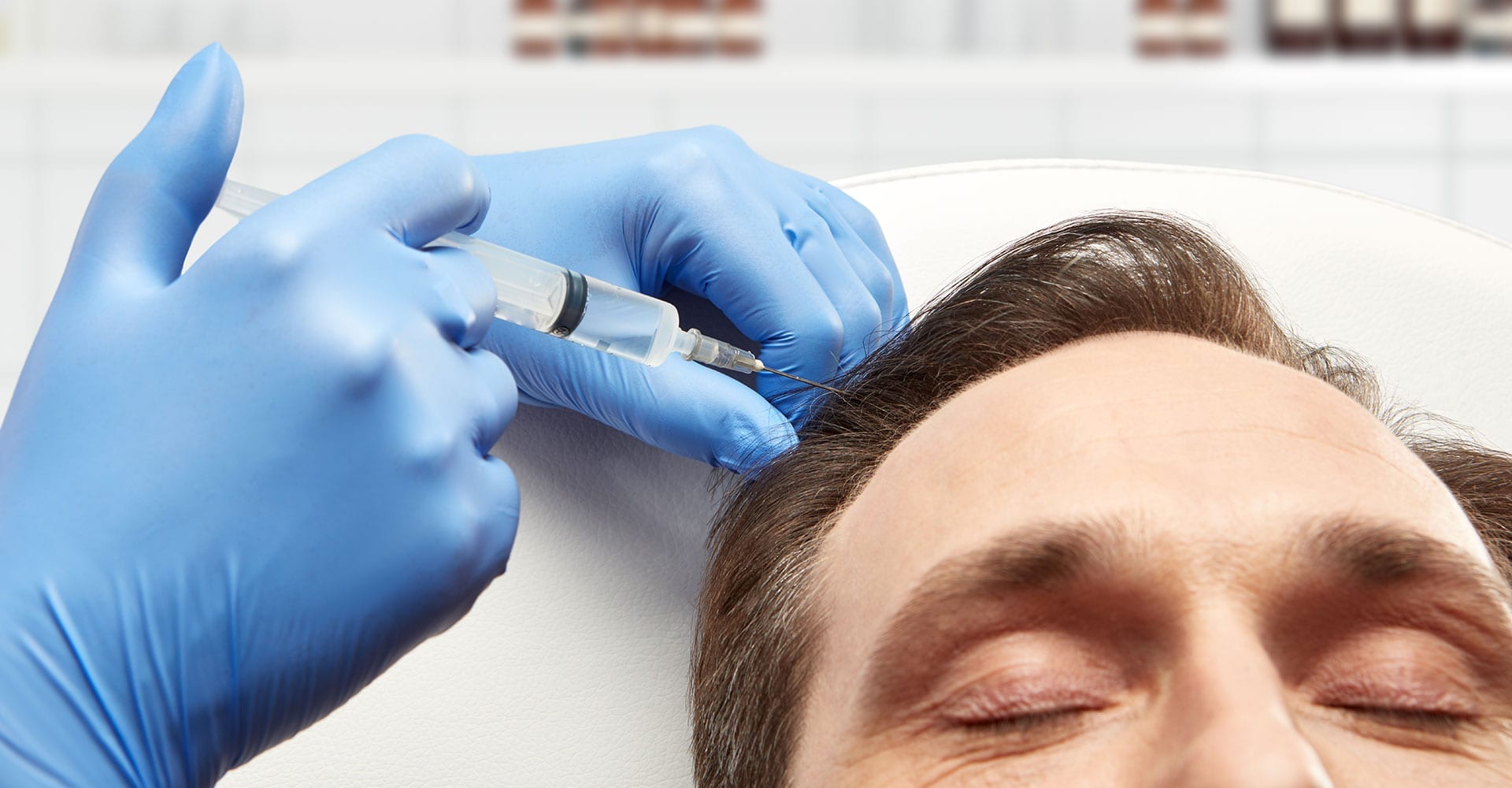
One treatment you’ve likely heard about is PRP for hair loss.
PRP, or platelet-rich plasma, is an injectable treatment that uses components of your own blood and may be used as part of a treatment plan for certain types of hair loss.
But, can PRP actually help?
Let’s take a closer look at what PRP hair restoration involves, who may be a candidate, what you can realistically expect, and why understanding the cause of your hair loss matters.
What Is PRP?
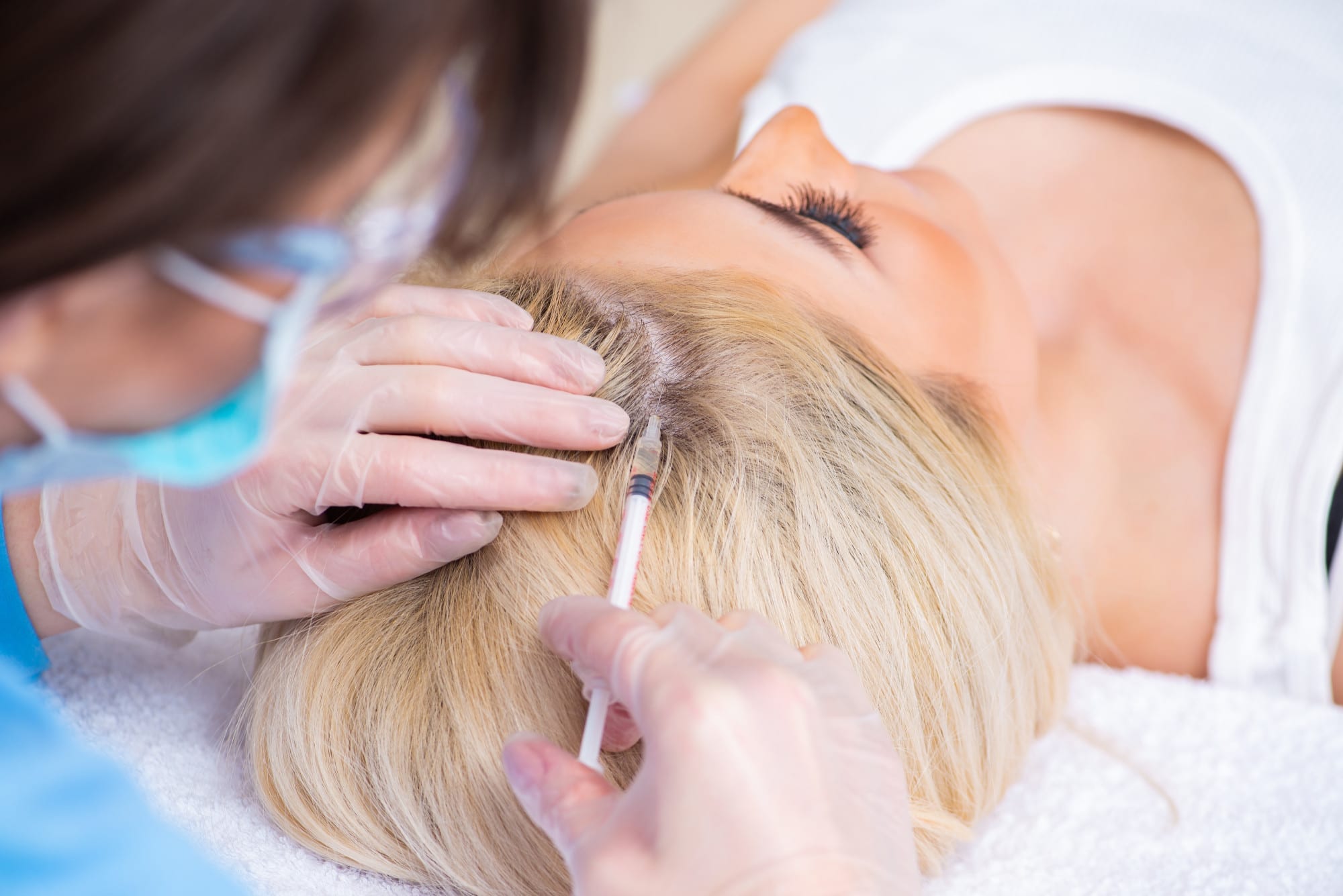
PRP stands for platelet-rich plasma.
Platelets are naturally found in your blood and play an important role in the body’s normal healing processes. PRP treatment uses a sample of your own blood, which is processed to concentrate the platelet-rich portion.
That concentrated plasma is then prepared for treatment and administered to the areas being treated.
Since, PRP uses your own blood, it is sometimes described as an autologous treatment.
The goal isn’t to simply “add something” to the scalp. Instead, PRP is used to support the body’s natural processes in the treatment area.
How Does PRP Work for Hair Loss?
Hair growth is a complex biological process, and there isn’t one single reason why someone may experience hair thinning.
PRP may support certain types of hair loss by introducing a concentrated preparation of platelets to the scalp.
The platelets contain growth factors and other components involved in the body’s healing response.
When used appropriately, the goal is to support the environment around the hair follicles and encourage healthier hair growth activity.
It’s important to understand that PRP isn’t a guaranteed solution for every type of hair loss.
That’s why determining why you’re losing hair in the first place is such an important part of the process.
What Causes Hair Loss?
Hair loss can have many different causes.
Some common contributors include:
- Genetics
- Hormonal changes
- Age-related changes
- Certain medical conditions
- Nutritional deficiencies
- Stress or illness
- Certain medications
- Changes in the normal hair growth cycle
For some people, hair thinning is gradual and related to genetics or aging.
For others, increased shedding may follow a period of significant stress, illness, hormonal changes, or another underlying factor.
This distinction matters because treating the symptom without understanding the cause may not address the bigger picture.
PRP for Alopecia

The word alopecia simply refers to hair loss. There are different forms of alopecia, and they don’t all have the same cause or treatment approach.
This is why PRP isn’t considered a one-size-fits-all treatment for alopecia.
Depending on the type and cause of hair loss, PRP may be considered as part of an individualized treatment plan for appropriate patients.
A proper assessment can help determine whether PRP is something worth considering or whether another approach may be more appropriate.
Who May Be a Candidate for PRP Hair Restoration?
PRP may be considered for individuals experiencing certain types of hair thinning or hair loss, particularly when the hair follicles may still be capable of producing hair.
However, suitability depends on several factors.
Your provider may consider:
- The type and pattern of hair loss
- How long you’ve been experiencing thinning
- The condition of your scalp
- Your overall health
- Your treatment goals
- Whether there may be an underlying cause that needs to be addressed
The goal of an assessment isn’t simply to determine whether you can have PRP.
It’s to determine whether PRP makes sense for your specific situation.
What Happens During a PRP Hair Treatment?
The process begins with a small blood sample.
Step 1: Blood Collection
A small amount of your own blood is collected, similar to a standard blood draw.
Step 2: PRP Preparation
The sample is processed to separate and concentrate the platelet-rich plasma.
Step 3: Treatment
The prepared PRP is administered to the targeted areas of the scalp.
The treatment is designed to deliver the concentrated preparation directly to the areas being addressed.
Your provider will discuss the process with you beforehand, including what to expect during and after treatment.
How Many PRP Treatments Will You Need?
One of the most important things to understand about PRP hair restoration is that it isn’t an overnight treatment.
Hair grows in cycles, and the biological processes involved in hair growth take time.
Your treatment plan may involve multiple sessions rather than a single appointment.
The appropriate number and timing of treatments depend on your individual situation, including:
- Your type of hair loss
- Your treatment goals
- How your hair responds
- Your provider’s assessment
A personalized treatment plan is therefore much more useful than expecting a specific number of appointmenets to work for everyone.
When Will You See Results?

Hair restoration requires patience.
Unlike a cosmetic treatment where you may see a visible change relatively quickly, hair growth happens gradually.
PRP works by supporting biological processes involved in hair growth, so changes in hair density and appearance take time to develop.
You may not notice a dramatic difference immediately after treatment.
Instead, your provider will assess your progress over time and determine whether your treatment plan should continue or be adjusted.
This is one reason before-and-after photos and consistent follow-up can be useful when evaluating progress.
PRP Isn’t a Quick Fix
It’s easy to see photos online and assume that hair restoration happens quickly.
In reality, successful hair restoration is usually about consistency and appropriate expectations.
PRP may be one component of a larger approach that can include:
Assessment → Treatment → Follow-up → Maintenance
Your provider may also recommend appropriate home care or other treatments depending on the cause and pattern of your hair loss.
The goal is to create a plan that makes sense for your individual needs rather than simply booking a treatment because it is trending.
Why Finding the Cause of Hair Loss Matters
Imagine treating thinning hair without knowing why it is happening.
If the underlying cause isn’t addressed, simply focusing on the visible symptom may not provide the outcome you’re hoping for.
This is particularly important when hair loss appears suddenly or changes significantly.
A medical assessment may be appropriate if you’re experiencing unexpected or significant hair loss, as certain medical conditions, medications, nutritional concerns, or hormonal changes can contribute to shedding.
Understanding the cause helps determine what comes next.
Is PRP Right for You?
PRP can be an exciting option for people experiencing certain types of hair thinning, but it’s not the right treatment for everyone.
The best place to start is with a professional assessment.
At Ageless Living, PRP Hair Restoration is designed around an individualized approach. Your provider can discuss your concerns, evaluate your hair loss pattern, and help determine whether PRP may be appropriate for your goals.
Hair loss doesn’t have to be something you ignore.
If you’ve noticed changes in your hair density or ongoing thinning, understanding what’s happening is the first step.
From there, you can explore treatment options with realistic expectations and a plan designed specifically for you.
Ready to learn more about PRP Hair Restoration?
Book a consultation with the Ageless Living team to discuss your hair concerns and whether PRP may be an appropriate option for you.