

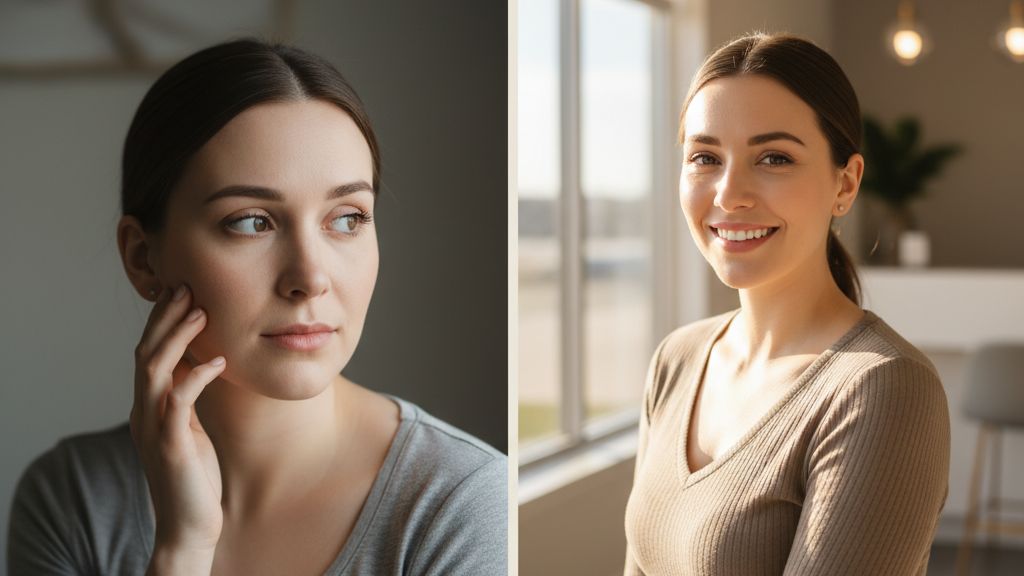
The Overlooked Connection: How Skin and Mental Health Are Deeply Linked
When most people think of skin concerns, the physical appearance comes to mind: breakouts, redness, and thinning hair.
But, there’s another aspect that often gets overlooked: how those concerns can impact how you feel.
At Ageless Living, we see it every day.
Patients come in worried about acne, rosacea, or hair loss, and yes, they want solutions for their skin.
But more often than not, what they really want is the confidence that comes when they no longer feel like their skin is holding them back.
It’s time to talk about the link between skin and mental health, and why your skin story is about so much more than appearance.
Why Skin Conditions Hit Harder Than You Think
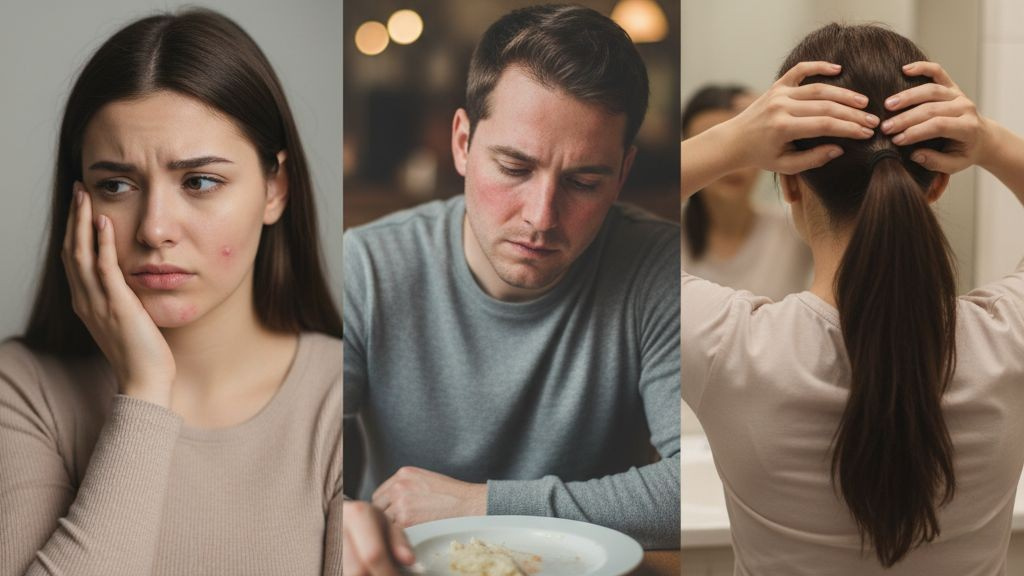
Skin is the first thing people notice about us. It’s visible, it’s personal, and when something feels “off,” it’s hard to hide. That visibility can make skin concerns uniquely tied to our sense of identity and confidence.
Here’s how some of the most common conditions affect emotional well-being:
Acne
Not just a teenage concern. Adult acne is on the rise, and it often leaves people feeling frustrated and embarrassed. Research shows that acne sufferers are more likely to report social anxiety and even symptoms of depression.
Rosacea
The redness and flare-ups are unpredictable. Some patients say they avoid dining out, presenting at work, or even exercising in public for fear of triggering a flare. That self-consciousness can lead to isolation.
Hair Loss
Hair is tied to how we see ourselves. For many, thinning hair feels like a loss of youth, femininity, or masculinity. The emotional impact can be intense, leading to lowered self-esteem and sometimes even grief.
The Skin-Mind Cycle
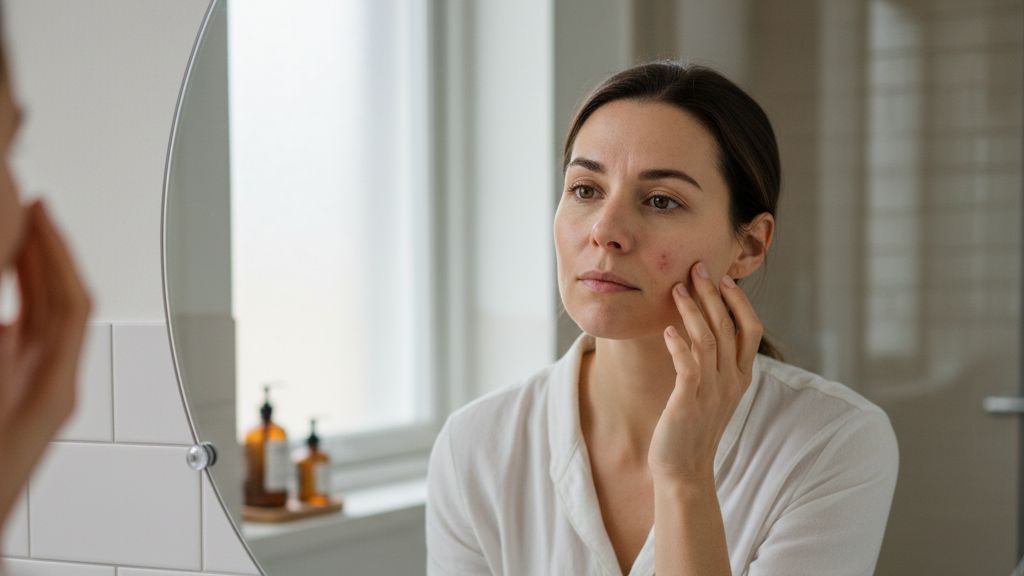
It’s not just that skin conditions affect mood—our mental health can also affect our skin.
- Stress and anxiety release cortisol, a hormone that increases oil production and inflammation, worsening acne and rosacea.
- Poor sleep from stress slows skin repair, making symptoms linger.
- Feeling self-conscious can create a cycle of withdrawal and loneliness, which increases stress even more.
Breaking this cycle isn’t easy, but it is possible.
What You Can Do
1. Seek Expert Guidance

Having a professional team on your side matters. At Ageless Living, we help patients address acne, rosacea, and hair loss with tailored treatments that target both the physical condition and the confidence behind it.
2. Build a Gentle Routine
Less is often more. Harsh scrubs, stripping cleansers, and DIY hacks can worsen irritation. Instead, medical-grade skincare that calms, hydrates, and supports the skin barrier is key.
3. Support Your Mental Health
Your self-worth isn’t defined by your skin’s appearance. Talking with a therapist, practicing mindfulness, or even journaling about your journey can ease the emotional load.
4. Choose Lifestyle Habits That Nourish
- Eat a nutrient-rich, balanced diet.
- Prioritize quality sleep.
- Protect with SPF daily (yes, even in fall and winter).
- Limit alcohol, sugar, and caffeine, which can trigger flare-ups.
What Our Patients Often Say
When patients find the right treatment plan, they often share stories like:
🗣 “I feel like I can finally go out without makeup and not worry about what people see first.”
🗣 “It wasn’t just clearer skin—it was getting my confidence back.”
🗣 “I didn’t realize how much I was hiding until I wasn’t anymore.”
It’s not about perfection. It’s about relief. About seeing yourself again.
Why This Conversation Matters
Skin concerns aren’t “just cosmetic.” Skin concerns affect how we show up in our lives, relationships, and careers. And when you support your skin health, you’re often supporting your mental health, too.
At Ageless Living, we believe in treating the whole person—inside and out. Because you’re not defined by your skin, but you deserve to feel confident in it.
Ready to Take the First Step?
✨ Book a consultation with our team to explore personalized solutions.
✨ Ask us about acne, rosacea, or hair restoration treatments designed for real results.
✨ Come in for a conversation—we’re here to listen.
Your skin tells a story. But it’s only one chapter. Let’s make the rest of your story about confidence, joy, and feeling at home in your skin.